Buenos Aires, November 26, 2025 – The leadership of the General Confederation of Labor (CGT) once again distanced itself from the labor reform project promoted by the Government, even though the text has not yet been officially published.
According to participants, the talks were marked by explicit disagreements on most issues. The Government, for its part, has already announced that it will define the increase in the Minimum, Vital, and Mobile Salary by decree, an additional signal that the dialogue with the CGT is going through a delicate moment, despite parallel negotiations with one of its most influential leaders.
The figure of Martínez—who has three decades of union leadership and maintains in his structure one of the unions with the most territorial power—is seen within the Government as an indispensable actor in any attempt at labor reform.
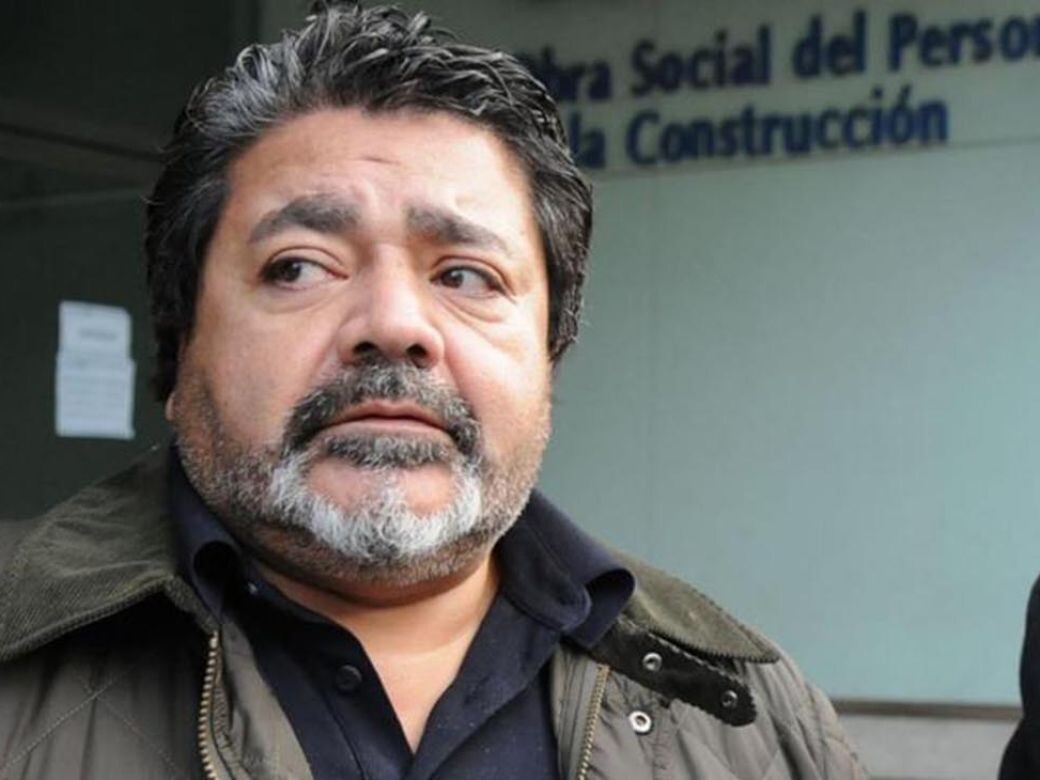
The head of the UOCRA, Gerardo Martínez, was in charge of expressing the union position. He has been the general secretary of “his” union for 30 years, a fact that resonated again in the halls of the Pink House amid the discussion about “union democracy”.
“We do not know the letter of the project,” stated Martínez, while clarifying that the central labor union will reject any point that implies a loss of labor rights. Despite this stance, the Government has let it be known that the draft will include some of the proposals mentioned in the Council, although without full consensus among the participating sectors.
At the Council of Mayo, key actors were aligned: the Minister of Deregulation, Federico Sturzenegger, on behalf of the Executive Branch; the Governor of Mendoza, Alfredo Cornejo, representing the provinces; Senator Carolina Losada for the Chamber of Deputies; Deputy Cristian Ritondo for the Lower House; Martínez himself on behalf of the unions; and the head of the UIA, Martín Rappallini, as the voice of the business sector.
Sources indicate that he was recruited by Captain Roberto Edgardo Gordillo, a key officer of the 601st during the prominent Operation Independence in Tucumán, where a heavy blow was dealt to terrorism. The leader had previously participated in the Council of Mayo, the consultative body convened by the Government to debate labor, tax, and other strategic initiatives.
This dual track—public rejection, private negotiation—was evident again in a day where unionism sought to set limits, without breaking bridges with the ruling party.
The labor reform project, whose text will be finalized in the coming days, would incorporate—according to official leaks—points related to ultra-activity, collective bargaining agreements, tax burdens, tolls and union financing, collective and individual rights, self-employed workers, and union democracy mechanisms.
This last axis directly affects figures like Martínez, whose three decades of leadership at the UOCRA are one of the structural data points of union power that the Government intends to reformulate.
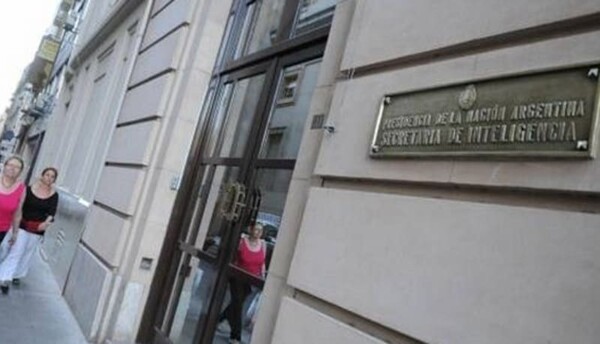
Upon leaving the meeting, the union leader insisted that the CGT does not endorse the preliminary contents discussed in the Council of Mayo: “We do not agree with the concepts expressed.” Despite the criticisms, Martínez, who was a military intelligence agent in the 70s, held direct meetings this Wednesday with presidential advisor Santiago Caputo, continuing a private dialogue that contrasts with the CGT's public rejection.
Martínez entered the Unión Obrera de la Construcción de la República Argentina (UOCRA) in 1978, under the military intervention of the union led by figures such as Pedro Armando Coria.
This complex relationship of tension and mutual need was once again exposed on a day when the central labor union distanced itself, but the historic leader of the UOCRA continued to negotiate behind the scenes.